

The U.S. government is drafting a $928M settlement to cancel TotalEnergies’ offshore wind leases — putting a price tag on Washington’s energy policy reversal
The Proposed Deal
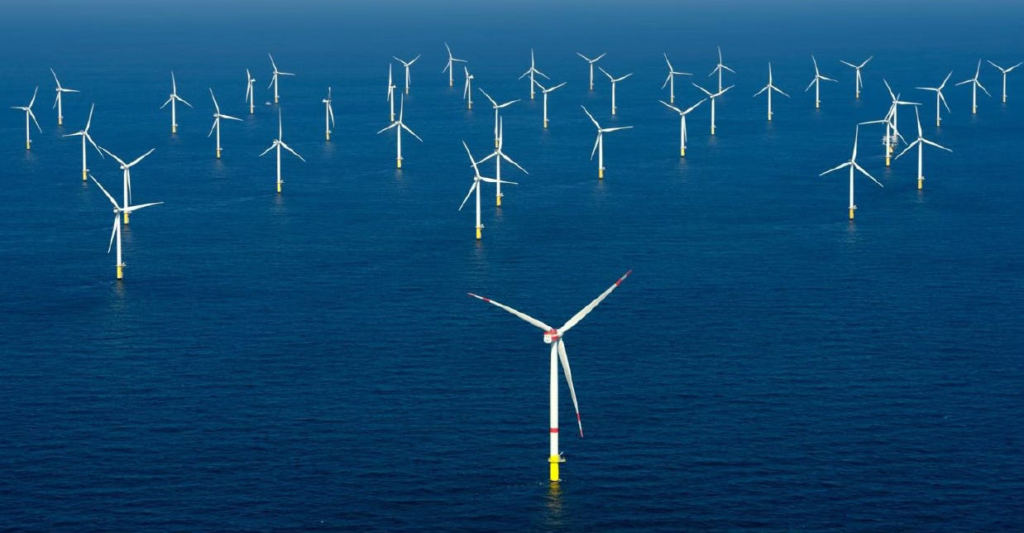
According to documents reviewed by the New York Times, U.S. officials are drafting agreements under which the Interior Department would cancel federal leases for two TotalEnergies projects: Attentive Energy, located off the coast of New York, and Carolina Long Bay, off North Carolina.
Following those cancellations, the Justice Department would pay the French energy major more than $928 million — compensating TotalEnergies for its winning bids in lease sales conducted under the Biden administration. The White House, Justice Department, and Interior Department did not immediately respond to comment requests. TotalEnergies declined to address the report directly.
How the Deals Were Built — and Then Shelved
TotalEnergies had assembled these positions deliberately over several years. The company formed a joint venture for the Attentive Energy project in October 2023 and secured the Carolina Long Bay lease in 2022. Both represented significant upfront capital commitments tied to long-term development timelines.
After Donald Trump’s election victory in November 2024, TotalEnergies paused work on Attentive Energy. The writing was visible on the wall — but the formal mechanism of lease cancellation and financial compensation is a different matter entirely from a voluntary pause.
No Exit Without a Price
What the proposed settlement makes explicit is that unwinding Biden-era offshore wind commitments is not a costless regulatory exercise. The leases were awarded competitively, with developers paying market-price bids in federal auctions. Canceling them without compensation would expose the government to significant litigation risk. The $928 million figure effectively represents the administration’s estimate of what it owes — or what it prefers to pay rather than litigate.
There is an additional dimension to the proposed terms: if TotalEnergies accepts, the company would commit to investing in natural gas infrastructure in Texas. That component transforms the settlement from a clean compensation into something closer to an energy policy trade.
Uncertainty Remains
Whether TotalEnergies will accept remains an open question. Reports indicate the Trump administration intends to cancel the leases regardless of the company’s decision — but the difference between an accepted settlement and a contested cancellation has enormous legal and financial consequences for both sides.
Other offshore wind developers holding active federal leases are watching this case with acute interest. The TotalEnergies settlement, if finalized, will establish the terms of the conversation for every similar dispute that follows.
The Waterline Report
The $928 million figure is not just a line item — it is a market signal. For developers, financiers, and insurers active in U.S. offshore waters, this settlement attempt clarifies something that had been debated since the administration changed course: political risk in U.S. federal offshore leasing is real, and it can be quantified.
The industry’s challenge now is to build that risk into project economics, partnership structures, and investment theses going forward. Those who treat U.S. offshore wind as a stable, policy-protected environment are operating with an outdated model. Those who price the risk correctly will be the ones still standing when the regulatory tide shifts again.