

Japanese classification society validates wind propulsion technology as shipping industry accelerates alternative fuel solutions
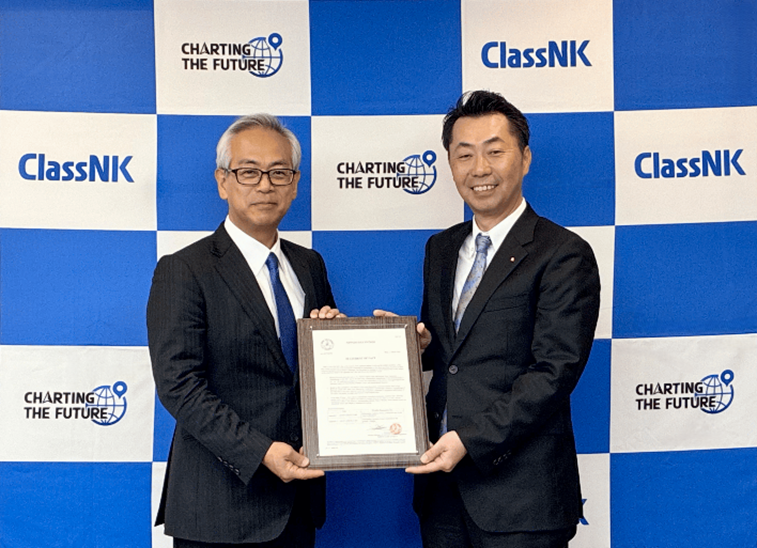
ClassNK has validated the performance analysis for the automated kite system Seawing, developed by Kawasaki Kisen Kaisha and its French subsidiary OCEANICWING, issuing a Statement of Fact that confirms the technical soundness of the wind-assisted propulsion technology.
The certification represents a significant milestone for wind propulsion systems in commercial shipping, adding momentum to an industry sector that’s moved from experimental curiosity to serious decarbonization tool in less than a decade.
From Concept to Commercial Reality
The classification society reviewed performance analysis documents based on actual data from land-based testing using a 300-square-meter kite, confirming that verification processes for tension generating traction force and system performance were appropriate. This methodical approach reflects the maritime industry’s cautious embrace of technologies that would have seemed outlandish just fifteen years ago.
ClassNK’s involvement with Seawing predates this latest validation. The classification society had previously issued an Approval in Principle for the system in 2020, demonstrating sustained progress in developing this alternative propulsion method. The gap between AiP and Statement of Fact represents thousands of hours of testing, data collection, and engineering refinement.
Regulatory Framework Evolves with Technology
Wind-assisted propulsion systems, including kite systems, are gaining traction as the industry responds to environmental regulations and seeks solutions for reducing fuel costs. The economics are compelling: fuel typically represents 50-60% of a vessel’s operating costs, and any technology that can shave even 10-15% off consumption delivers immediate bottom-line impact.
ClassNK has positioned itself at the forefront of this emerging sector through its comprehensive guidelines framework. The classification society has been updating its Guidelines for Wind-Assisted Propulsion Systems for Ships, first issued in 2019, based on operational experience and knowledge gained to date. This iterative approach ensures that standards evolve alongside real-world implementation experience rather than becoming fossilized regulations that stifle innovation.
The Seawing system represents one of several wind propulsion technologies currently under development. Rotor sails, rigid wing sails, and suction sails each offer different advantages depending on vessel type, trading routes, and operational profiles. What they share is the ability to harness forces that cost nothing and produce zero emissions.
The Waterline Report
K Line’s progression from concept to validation illustrates how wind propulsion has crossed the threshold from novelty to viable technology. For shipowners evaluating decarbonization pathways, wind assistance offers something rare in maritime technology: proven physics, immediate fuel savings, and regulatory compliance without waiting for future fuel infrastructure. The Statement of Fact signals that automated kite systems have matured beyond prototype status. Owners planning newbuilds for 2027-2030 delivery should now treat wind propulsion as a serious option rather than a future possibility—the technology validation phase is complete, and the question has shifted from “does it work?” to “does it work for my fleet?”