

Thousands of crew members and passengers stranded as conflict escalates, prompting warlike operations designation and emergency protocols
Global maritime unions and employers have issued a unified message of support for seafarers facing escalating dangers in the Persian Gulf and Gulf of Oman, as attacks on merchant ships have intensified, with at least six cargo vessels hit by projectiles in the Strait of Hormuz within 48 hours and a container ship struck off the UAE coast.
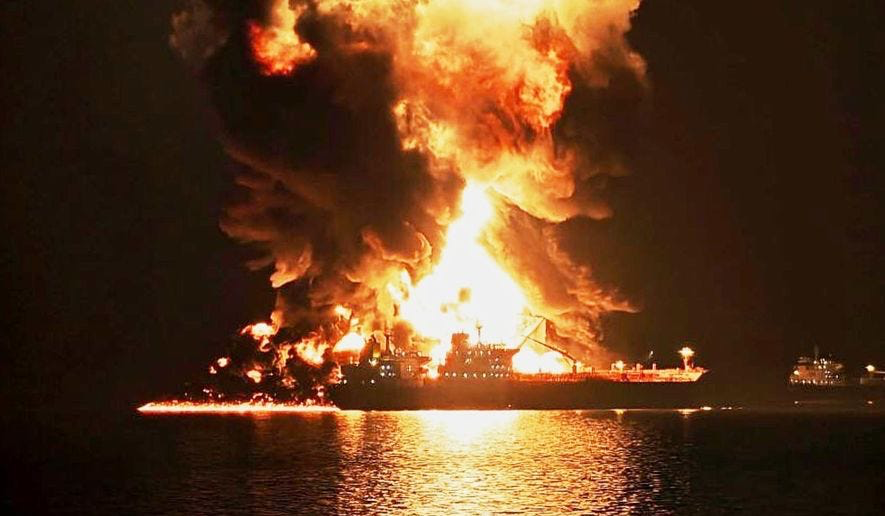
The humanitarian crisis unfolding in one of the world’s most critical maritime chokepoints has placed civilian mariners directly in the crossfire of geopolitical conflict, with industry organizations scrambling to activate emergency protocols designed for exactly this scenario.
Emergency Designation Triggers Enhanced Protections
The International Bargaining Forum designated the Strait of Hormuz, Gulf of Oman, and Persian Gulf as a Warlike Operations Area, activating enhanced protections for seafarers including additional pay, increased compensation for injury or death, and the right to refuse assignments into the war zone. This designation carries legal weight and financial implications for shipowners operating in the region.
The International Transport Workers’ Federation has taken a direct stance on the deteriorating situation, calling on flag states to fulfill their obligations to protect those on their ships. The ITF emphasized that seafarers in the Persian Gulf and Gulf of Oman can reach out to ITF-affiliated unions, the organization itself, ITF inspectors, or their employers for protection and support.
Staggering Scale of Stranded Vessels and Crew
The humanitarian scale of the crisis is staggering. Around 20,000 seafarers and 15,000 cruise ship passengers are stuck in the Gulf because of the Middle East war, according to the UN’s International Maritime Organisation. The ITF reported that around 1,000 ocean-going vessels are stranded in the Gulf following the halt of vessel movements through the Strait of Hormuz.
These aren’t abstract statistics—they represent families separated, contracts suspended in limbo, and crew members watching their provisions dwindle while geopolitical forces beyond their control determine their fate. Many have now been trapped for more than two weeks with no clear timeline for safe passage.
ITF General Secretary Stephen Cotton characterized the situation as placing civilian seafarers directly in harm’s way in a conflict not of their making, warning that too often seafarers have become collateral damage of war in the Black Sea, Red Sea, and now the Strait of Hormuz. The pattern suggests a troubling new normal where commercial shipping becomes entangled in regional conflicts.
Human Cost Already Mounting
The conflict has already claimed lives. One seafarer was killed when a projectile struck the tanker MKD VYOM off Oman’s coast while working in the engine room, and four additional seafarers were injured when the tanker Skylight was hit off Oman. These casualties underscore that merchant vessels, despite their civilian status, offer no immunity in modern naval conflicts.
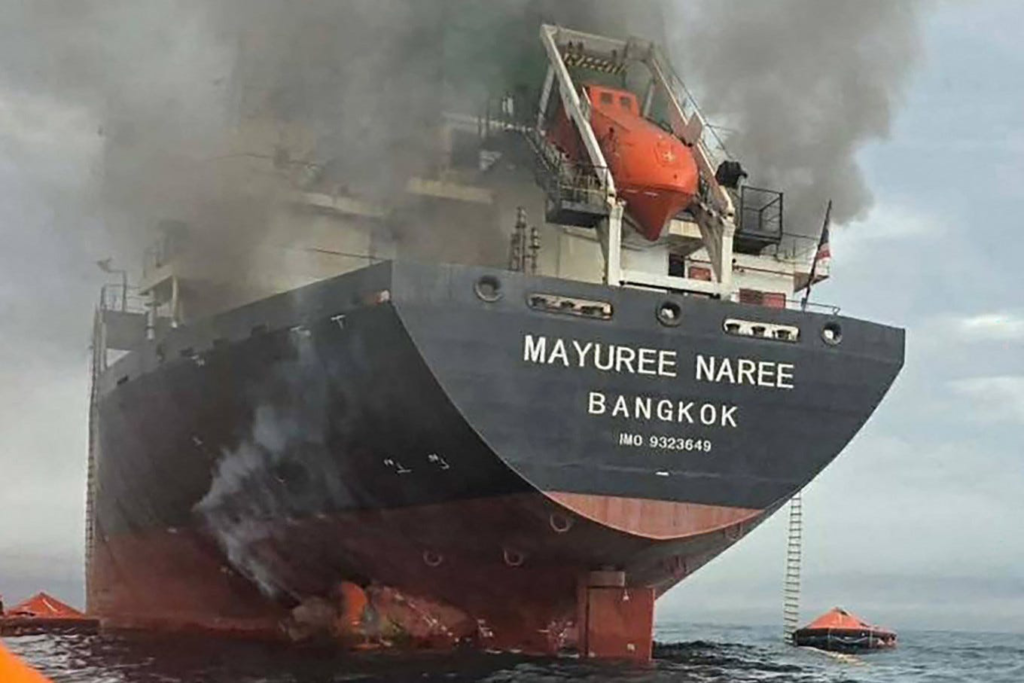
The IMO secretary-general stated that no attack on innocent seafarers is ever justified, calling the situation both an economic and humanitarian issue while urging shipping companies to exercise maximum caution when operating in the affected region. But caution offers little protection to those already trapped inside the conflict zone.
Germany’s Association of Shipowners reported at least 25 ships from seven German companies currently in Gulf waters, including two cruise ships carrying approximately 7,000 passengers who cannot safely leave the region due to the Strait of Hormuz situation. European governments face mounting pressure to secure safe passage for their nationals.
Global South Workers Bear the Burden
Industry leaders noted these are often workers from the Global South, far from home and with no connection to the conflicts unfolding around them. Filipino, Indonesian, Indian, and Ukrainian crew members constitute the majority of global seafaring labor, and they’re now paying the price for diplomatic failures they played no part in creating.
Industry groups emphasized that the only sustainable solution is a reduction in regional hostilities, though few harbor illusions about near-term diplomatic breakthroughs given the intractable nature of the underlying conflicts.
The Waterline Report
This crisis exposes the fragility of global supply chains that depend on 1.89 million seafarers transiting through geopolitical flashpoints daily. The industry’s rapid activation of warlike operations protocols demonstrates institutional memory from previous conflicts, but also reveals an uncomfortable truth: maritime commerce has no neutral ground when regional powers decide to weaponize chokepoints. For shipping companies and cargo owners, the immediate priority is crew welfare and safe extraction. The strategic question is whether insurance markets and routing algorithms can adequately price risk in a world where three critical waterways—Black Sea, Red Sea, and now Persian Gulf—have become conflict zones simultaneously. The maritime industry may need to fundamentally rethink routing, crewing policies, and vessel positioning in an era where safe passage can evaporate overnight.